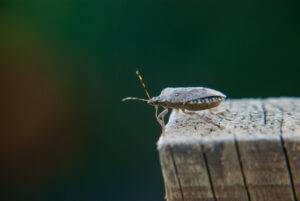
WNC Orchard Insect Pest Populations - June 30, 2025
Codling Moth: In lower elevation orchards (i.e., those ranging from about 800 to 1300 ft) an insecticide targeting second …



El inglés es el idioma de control de esta página. En la medida en que haya algún conflicto entre la traducción al inglés y la traducción, el inglés prevalece.
Al hacer clic en el enlace de traducción se activa un servicio de traducción gratuito para convertir la página al español. Al igual que con cualquier traducción por Internet, la conversión no es sensible al contexto y puede que no traduzca el texto en su significado original. NC State Extension no garantiza la exactitud del texto traducido. Por favor, tenga en cuenta que algunas aplicaciones y/o servicios pueden no funcionar como se espera cuando se traducen.
Inglês é o idioma de controle desta página. Na medida que haja algum conflito entre o texto original em Inglês e a tradução, o Inglês prevalece.
Ao clicar no link de tradução, um serviço gratuito de tradução será ativado para converter a página para o Português. Como em qualquer tradução pela internet, a conversão não é sensivel ao contexto e pode não ocorrer a tradução para o significado orginal. O serviço de Extensão da Carolina do Norte (NC State Extension) não garante a exatidão do texto traduzido. Por favor, observe que algumas funções ou serviços podem não funcionar como esperado após a tradução.
English is the controlling language of this page. To the extent there is any conflict between the English text and the translation, English controls.
Clicking on the translation link activates a free translation service to convert the page to Spanish. As with any Internet translation, the conversion is not context-sensitive and may not translate the text to its original meaning. NC State Extension does not guarantee the accuracy of the translated text. Please note that some applications and/or services may not function as expected when translated.
Collapse ▲Codling Moth: In lower elevation orchards (i.e., those ranging from about 800 to 1300 ft) an insecticide targeting second …
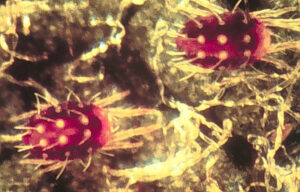
In Henderson County and similar elevations, first generation codling moth flight is complete, and second generation flight is not …

Codling Moth: Throughout the region we remain in that window where codling moth is between generations, and unless there …
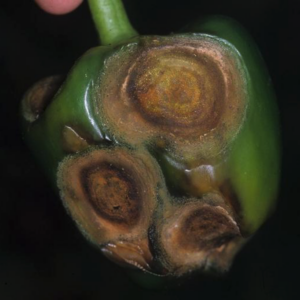
Written by Lina Quesada-Ocampo, Sarah Cochran-Murray, and Inga Meadows Reports of pepper anthracnose outbreaks caused by Colletotrichum scovillei are increasing across …
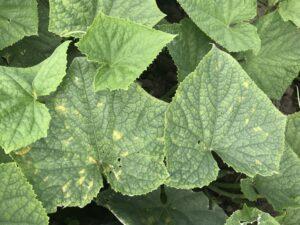
Downy mildew, caused by the oomycete Pseudoperonospora cubensis, has been identified on cucumber crops in Eastern North Carolina as …
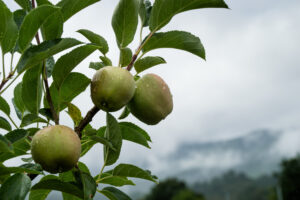
Depending on elevation, we are either approaching or in that period when most major pests exhibit a low potential …
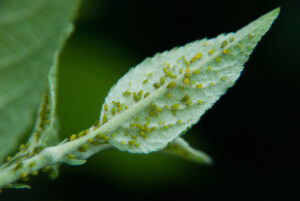
In orchards at elevations of about 2000 ft or higher (e.g., Henderson County), this week should see the last …

The fall 2025 Pesticide Safety Schools are available to those seeking initial licensing in one or more pesticide subcategories. To …
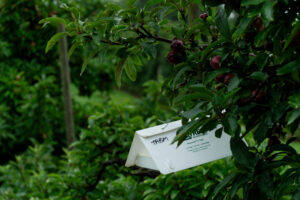
First generation codling moth remains a key pest of concern across the region. Also, the window for tufted apple …
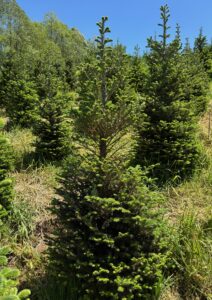
Hemlock rust mite populations are are particularly high right now in some areas of WNC. This week’s temperatures have been …
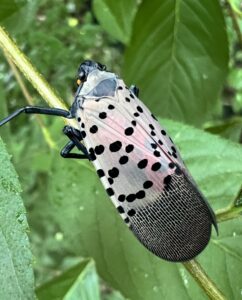
Rockingham County just got an unwelcome new resident — spotted lanternfly (SLF). This isn’t just any insect; it’s an …
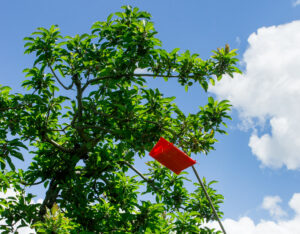
Codling moth degree-day accumulations range from about 370 in Henderson County (2100 ft) to about 600 in the lower …
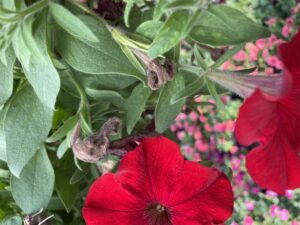
Ornamental Extension Specialists and Area Agents are gauging growers’ interest in an education conference in North Carolina. The conference would …
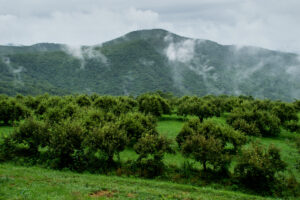
Recent hail in some orchards will surely affect decisions on continuing to invest in pesticide costs, but for those …

Codling Moth: The cooler weather pattern has slowed degree-day accumulations, and consequently codling moth development has fallen behind last …
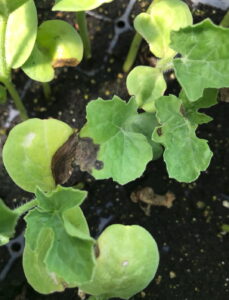
In the past couple of weeks we have seen a few cases of watermelon seedlings infected with gummy stem …
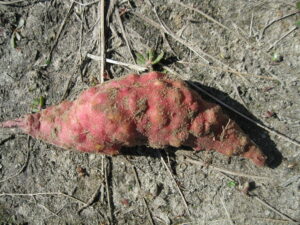
Root-knot nematodes (RKN; Meloidogyne spp.) are microscopic, soilborne roundworms that feed on plant roots. In sweetpotato, they cause galls, …
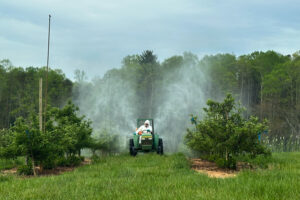
With petal fall sprays completed throughout the region, the focus for the next few weeks will be on first …
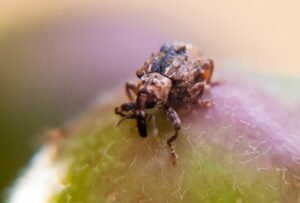
The majority of apples throughout the region are at petal fall, with some later cultivars still blooming. As discussed …

This factsheet summarizes the characteristics of bees and addresses how to control them as an …

This publication discusses Anthracnose Fruit Rot (Colletotrichum sp.) of blueberries in detail. Included are the …

This factsheet describes the symptoms of a shoot inhibitor herbicide injury.
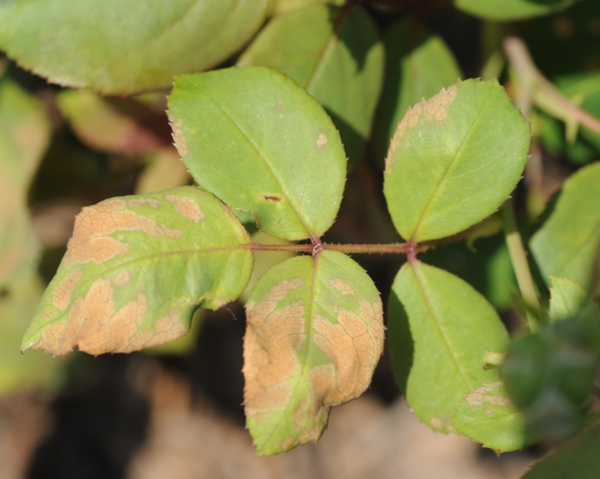
This factsheet describes the symptoms of a metribuzin herbicide injury.

This factsheet describes the symptoms of a dichlobenil herbicide injury.
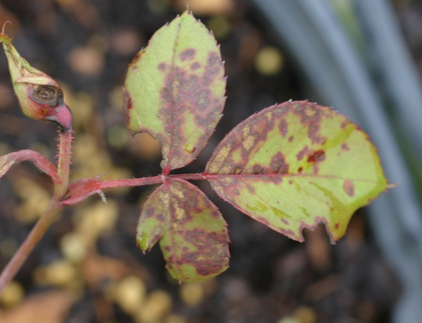
This factsheet describes the symptoms of a protoporphyrinogen oxidase inhibitor herbicide injury.
This factsheet summarizes the symptoms and management of stubby-root nematodes in soybean in North Carolina.
Lance nematode is not a common problem of soybeans, but can cause local damages in …